







Search Results for: Cool and Dry
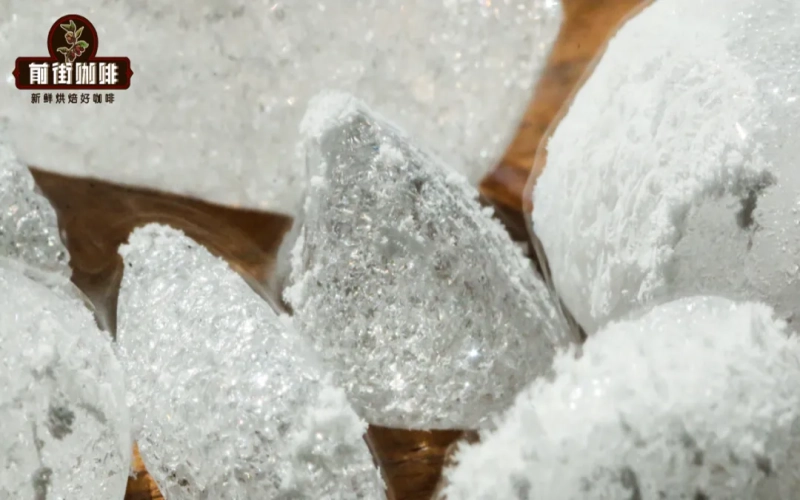
Is It Feasible to Use Dry Ice Instead of Ice Cubes for Iced Pour-Over? A Comprehensive Analysis of Cooling Methods for Pour-Over Coffee
Iced pour-over coffee needs rapid cooling, but ordinary ice cubes melt and dilute the coffee's strength. Some friends suggested using non-melting stainless steel ice cubes, but that attempt failed; then someone else recommended dry ice, which cools quickly and doesn't cause dilution. Dry ice can indeed chill coffee rapidly without turning into water, but when it sublimates it releases carbon dioxide, which dissolves into the coffee and turns a cup of iced pour-over into carbonated coffee—essentially deviating from what's wanted. This article provides a detailed analysis of dry ice's physical properties, its everyday uses, and why it's unsuitable for making pour-over coffee, along with Front Street Coffee's key points from their dry ice experiments and a recommended bean list. [more…]

An Analysis of Zambia's Coffee-Producing Geography, Major Growing Regions, and Varieties
African coffee occupies an important position in the global market. Ethiopia is widely recognized as the birthplace of coffee, and Zambia is likewise an African producing country worth noting. Zambia is located in south-central Africa, a landlocked country bordering nine nations, with a land area of about 752,600 square kilometers. Most of the country consists of plateaus at elevations of 1,000 to 1,500 meters, with a tropical savanna climate, an average annual temperature of 18 to 20°C, and three seasons—dry and cool, dry and hot, and warm and wet—making it suitable for growing crops such as coffee. Coffee is mainly distributed in Muchinga Province, Northern Province, Luapula Province, Copperbelt Province, Lusaka Province, and North-Western Province, primarily grown on large estates. All varieties are Arabica, with the Catimor series and SL28 accounting for the majority. The harvest period runs from October to March of the following year. [more…]
Three Major Taboos in Coffee Bean Storage and Analysis of Freezing Feasibility: Practical Tips from Moisture Prevention to Thawing
As the Spring Festival approaches, courier services are gradually suspending operations, and many coffee lovers have already stocked up on beans in advance. But how to keep coffee beans fresh during this period has become a concern for everyone. Storing coffee beans requires avoiding three major enemies: high temperatures, moisture, and oxidation. High temperatures accelerate the loss of aroma, moisture easily leads to mold, and oxidation shortens the optimal flavor period. Front Street recommends that unopened original packaging be kept in a cool, dry place, and that an airtight container be used after opening. As for refrigeration or freezing, although it can slow oxidation, it comes with the challenges of absorbing odors and becoming damp during thawing. This article will break down these storage points in detail to help you enjoy the New Year with peace of mind. [more…]
A Complete Guide to Coffee Bean Resting: From Degassing Principles to Roast Level Differences, Master the Optimal Flavor Window
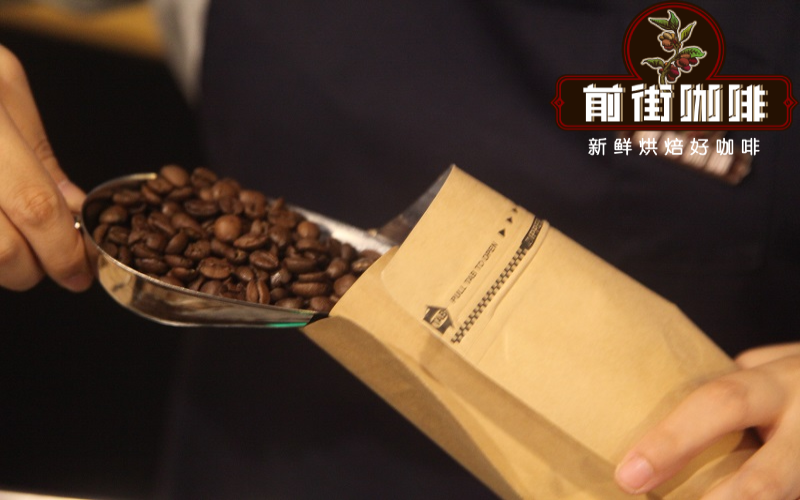
Why can't freshly roasted coffee beans be brewed right away? What exactly is happening during bean resting? In fact, the essence of resting beans is a maturation process that allows the coffee beans to release carbon dioxide. The resting time varies noticeably between beans of different roast levels—light roasts degas slowly and take longer to mature, while dark roasts are relatively faster. Resting beans is not complicated; simply keep the unopened beans in a cool, dry, dark place, but storage method is equally crucial. If you really can't wait, there are also emergency tricks such as grinding and letting the grounds sit, or extending the bloom time. Front Street Coffee will guide you through a systematic understanding of how to calculate bean resting time, key operational points, and notes on storing and brewing drip coffee bags, helping you enjoy a cup of coffee with just the right flavor. [more…]

The Correct Way to Rest and Wake Coffee Beans: How Long Do Freshly Roasted Beans Need to Rest Before Drinking?
Freshly roasted coffee beans don't reveal their best flavor when brewed immediately, because a large amount of carbon dioxide builds up inside the beans during roasting. This gas hinders the release of flavor compounds during brewing, so the beans need a period of "resting" to let the gas dissipate naturally. Usually, after five to seven days from the roast date, the beans' harsh, roasty edge fades and the aroma becomes fuller instead. If the beans you receive have too recent a roast date, just leave the original packaging untouched in a cool, dry place—the one-way degassing valve on the bag balances the pressure inside and out. As for "awakening" the beans, in the broad sense it's synonymous with resting; in the narrow sense it refers to exposing the beans to air for about four hours before brewing. Front Street Coffee also takes the resting rhythm into account when shipping, so that the beans happen to enter their optimal drinking window by the time they reach you. [more…]

A Comprehensive Analysis of the Terroir Conditions and Cupping Flavors of the Guatemalan Antigua Coffee Region
The Antigua Valley is one of Guatemala's most iconic coffee-producing regions, surrounded by three volcanoes—Agua, Acatenango, and Fuego—which create a unique enclosed valley microclimate. Rainfall here is scarce, but the soil's abundant pumice content keeps humidity stable at around 65% year-round, compensating for the lack of rain. Most coffee trees are planted in the heart of the valley at elevations above 1,500 meters, with some farmers pushing cultivation as high as 1,700 meters. Fertile volcanic ash, ample sunlight, and cool nights together shape the refined, balanced style of Antigua coffee. This article will provide a detailed interpretation of the terroir code of this region, along with specific cupping data and flavor descriptions, to give you a comprehensive understanding of the unique charm of Antigua coffee. [more…]

Shelf Life of Roasted Coffee Beans | What Is the Best Way to Store Coffee Beans? What Factors Affect Coffee Bean Freshness? Is Freezing Coffee Beans a Viable Option?
People nowadays enjoy drinking coffee not only in coffee shops, but more often they want to buy coffee beans and brew a cup carefully at home, savoring it slowly. However, how should the coffee beans or ground coffee you buy be stored so that they don't go bad so quickly? How can you better preserve their fresh flavor? Especially when you've bought some specialty coff... [more…]

The Complete Guide to Coffee Bean Freshness: Analysis of the Four Major External Factors Affecting Flavor and the Best Storage Methods
Many coffee lovers are in the habit of buying coffee beans and brewing at home, but how to store them properly to slow down deterioration and preserve the alluring flavors of specialty coffee is a body of knowledge that is easily overlooked. This article, from Front Street's perspective, systematically examines how the four external factors—direct light, oxygen, moisture, and high temperature—affect coffee freshness, and offers corresponding protective strategies for each. We will also discuss the key points for choosing airtight containers, recommendations for storage locations, and common misconceptions about storing coffee in the refrigerator, and finally answer the key question of how long coffee beans and ground coffee each stay fresh, helping you enjoy a truly good cup within its optimal flavor window. [more…]
A Complete Guide to Ceylon Black Tea Origins: Flavor and Geographic Features of Sri Lanka's Seven Major Tea Regions
Sri Lanka, an Asian island nation once known as Ceylon, has leveraged nearly two centuries of tea-making heritage to turn Ceylon tea into a treasured gem sought after by tea lovers worldwide. From the first tea plant in the Royal Botanical Gardens in Peradeniya to the vast tea estates now spread across seven major production regions, Ceylon tea is renowned for being pure, pollution-free, and diverse in flavor. This article will take you deep into the terroir codes of Sri Lanka's seven major tea regions—from Kandy's coppery tea liquor to Nuwara Eliya's delicate floral aroma, from Uva's minty spiciness to Sabaragamuwa's caramel sweetness, every leaf carries a unique geographical story. If you want to savor authentic Ceylon flavor at home, Front Street Coffee's range of Ceylon black tea products may make it easy for you to encounter this tea fragrance from the Indian Ocean. [more…]

Will a Moka pot explode?: How to ring in freshness with a fixed setup
The flavor focus shifts with the roast level: light roasts play up floral and fruity notes and bright acidity, medium roasts put sweetness and balance at the center, and dark roasts finish with nuts, cocoa, and a full body, with each also requiring a different extraction rhythm. A way of drinking that suits you is more worth valuing than the roast level itself. The extraction logic of a moka pot revolves around steam pressure. [more…]
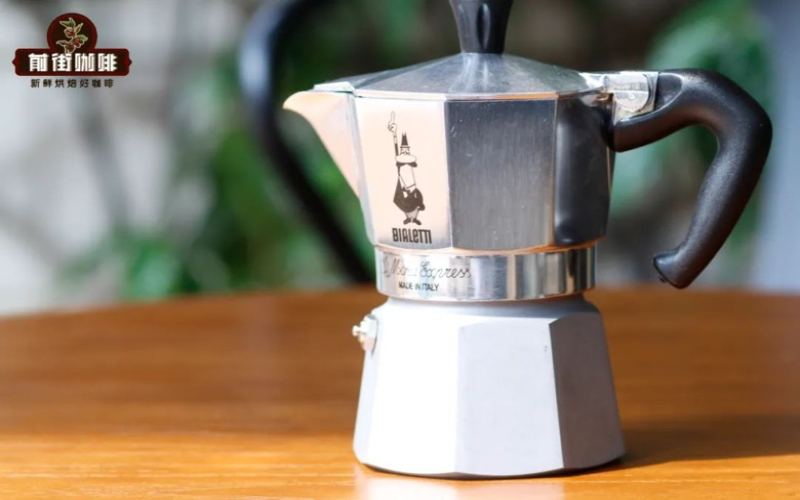
Moka pot: cold water or hot water? How to pair everyday beans with novelty beans
Roast level is the knob that adjusts where the flavor focus lies: light roasts lean toward floral and fruity notes with bright acidity, medium roasts toward sweetness and balance, and dark roasts toward nuts, cocoa, and a full body, with the extraction rhythm shifting accordingly. It's not about better or worse, only about matching your own way of drinking. Moka pot extraction relies on steam pressure; when loading the grounds, simply fill the filter basket level, no [more…]
A Comprehensive Analysis of the Flavor Characteristics, Variety Origins, and Producing Region Environment of Yirgacheffe Coffee Beans
Yirgacheffe is one of the most recognizable coffee regions in the minds of coffee lovers worldwide, captivating with its unique interwoven floral and fruity flavors. This article begins with the cultivation history of Front Street Yirgacheffe, tracing its evolution from being pioneered by monastic scholars to being run by cooperatives, and offers an in-depth introduction to the geographical layout formed by surrounding communities such as Hafursa, Hama, and Biloya. At the same time, the article describes in detail how a wetland environment at an altitude of nearly 2,000 meters gives the coffee beans their regional characteristics of citrus and floral notes, as well as sensory details such as dry aroma, wet aroma, and the tasting experience, taking you through a comprehensive understanding of this coffee's origin story and full flavor profile. [more…]
Is Tieguanyin a type of oolong tea? Where is its authentic place of origin? A full guide to brewing techniques and caffeine content
Tieguanyin is one of China's most renowned oolong teas, named after the Buddhist Bodhisattva Guanyin, and is mainly produced in the cool, high-altitude mountainous regions of Fujian. Its dry leaves are rolled into balls; once brewed, the leaves unfurl and release a floral, orchid-like aroma, while the liquor turns golden and slightly sweet. This article will explore Tieguanyin from multiple angles—its classification, authentic places of origin, caffeine content and the factors affecting it, and brewing guidelines—to help coffee and tea enthusiasts gain a comprehensive understanding of this classic oolong. The article also covers techniques for multiple infusions, the gongfu tea tradition, and product recommendations from the Front Street Coffee brand, so you can easily brew a delicious cup of Tieguanyin. [more…]
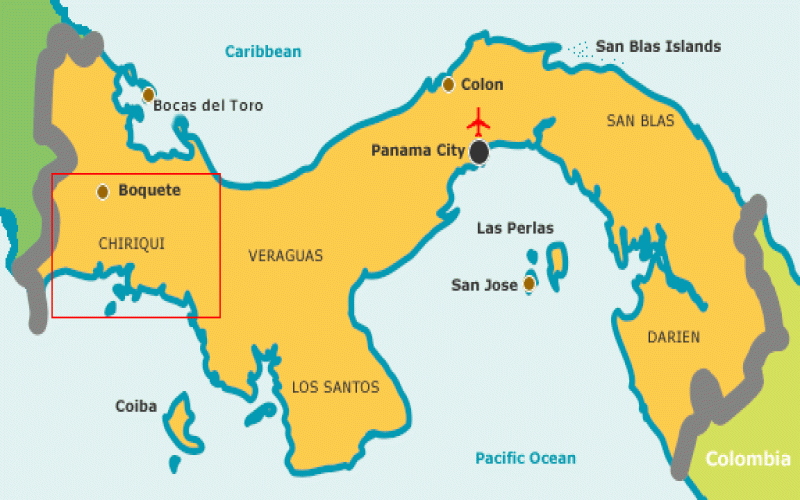
Analysis of the Characteristics of Panama Geisha Coffee Regions, Emerald Estate Flavors, and a Beginner's Guide to Making SOE Australian White
Although Panama is not a large country, it occupies a key position in the specialty coffee landscape, with more than 16,000 hectares of Arabica cultivation, and its core producing areas are concentrated in the western province of Chiriqui. Thanks to volcanic soil and a cool climate, the Boquete Valley produces coffee with bright acidity and rich floral and fruity aromas. Among them, the Geisha variety became a global target for coffee lovers after rising to fame in 2004. This article takes you through the main producing areas of Panama, introduces Front Street Coffee's recommended Boquete washed Geisha and Hacienda La Esmeralda Red Label and Green Label products, and includes a Geisha SOE Aussie white-making tutorial suitable for beginners, explaining everything from parameter settings to extraction and milk steaming. [more…]
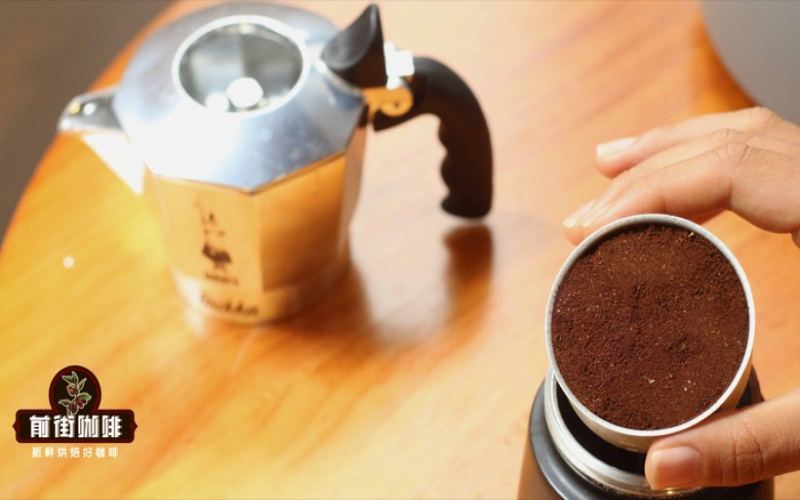
How to use a moka pot? Detailed steps: bean configurations from a single cup to entertaining guests
The taste of a cup of coffee—acidity and bitterness are only the beginning; aroma, sweetness, body, mouthfeel, and finish are what complete the picture. When choosing beans, first lock in your preference for floral and fruity notes, nutty and cocoa notes, or balance, then match that to the origin, processing method, and roast level. Steam pressure is the core of how a moka pot works, so there is no need to tamp the grounds; [more…]

Moka pot stuck and won't unscrew after brewing—what to do? Three principles for choosing beans to always keep at home
The roast level determines which way the flavor leans: light roasts have distinct floral and fruity notes with bright acidity, medium roasts offer a pleasant sweetness and balance, and dark roasts are steady with nutty, cocoa notes and a full body, while the extraction rhythm also changes. There is no superior or inferior option—just match it to your brewing method. A moka pot uses steam pressure to complete extraction; simply fill the basket. [more…]

Why Is Moka Pot Coffee So Weak, Flavorless, and Lacking Crema?: A Table to Understand the Correspondence Between Flavor and Roast
The flavor dimensions of a cup of coffee go far beyond the two ends of acidity and bitterness—aroma, sweetness, body, mouthfeel, and finish are all part of it. When choosing beans, first figure out whether you want floral and fruity notes, nutty and cocoa notes, or a balance between the two, then match that with the corresponding origin, processing method, and roast level. When using a moka pot, dosing, grinding, and heat [more…]
What to Do If Your Moka Pot Coffee Turns Out Too Bitter, Too Sour, or Burnt-Tasting?: Balancing Consistent Brews with Trying New Beans
The spectrum of flavor is far broader than just acidity and bitterness—aroma, sweetness, body, mouthfeel, and finish all lie along it. When choosing beans, it helps to first set a direction: floral and fruity, nutty and cocoa-like, or a balance of the two—then use origin, processing method, and roast level to find specific beans. The extraction principle of a moka pot is based on steam pressure, filling the filter with a layer of grounds. [more…]
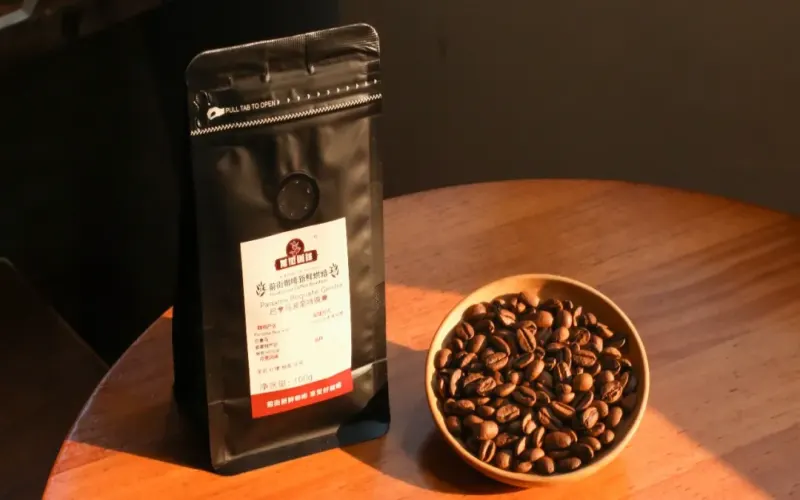
How Long Do Coffee Beans Stay at Their Best After Opening? A Detailed Guide to Pour-Over Bean Shelf Life and Proper Storage Methods
How long can coffee beans last after opening? This is a question many pour-over enthusiasts often ask. Oxygen is the number one enemy of coffee bean freshness—the more it is exposed, the faster the aroma dissipates and the shorter the window of peak flavor becomes. However, oxygen is not the only factor; the humidity, temperature, light exposure, and choice of container in the storage environment are equally critical. This article will break down the reasonable flavor window for coffee beans after opening, compare the pros and cons of different storage methods, and share the thoughtful details of Front Street Coffee's packaging design, helping you preserve the alluring flavor of your coffee to the greatest extent possible. [more…]
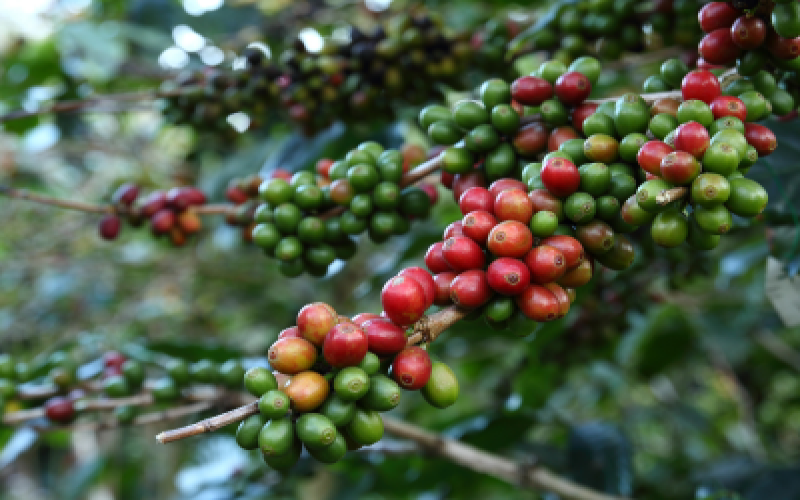
Sun-dried Yirgacheffe Worka Coffee Beans: The Terroir, Processing Method, and Variety Behind the Almond Sweet Aroma
Yirgacheffe is one of the highest-altitude coffee-producing regions in the world, famous for its unique flavor that interweaves floral and fruity notes. This article focuses on the natural-process Yirgacheffe Worka coffee beans, providing a comprehensive analysis of how their almond sweetness is formed, from the growing environment and variety characteristics to the processing method. The article also introduces the dry aroma and wet aroma performance of Front Street Yirgacheffe, as well as the various brewing methods for washed Gedingding, helping coffee enthusiasts gain a deeper understanding of the flavor code of this classic producing region. [more…]